On this page
- The quick version
- Why the typical thali needs a small tweak
- Step 1: Start with sabzi and salad
- Step 2: Give protein its own space
- Step 3: Keep the grains, choose and portion them wisely
- Step 4: Add curd or chaas, and be mindful with sugar
- Festivals, vrat days and eating out
- A sample day, for ideas only
- The takeaway
- One part of a bigger picture
When people hear “PCOS diet”, they often imagine a long list of foods to cut out. In reality, the most helpful starting point is usually much simpler: look at the plate you already eat every day, and make it more balanced.
Many people with PCOS have some degree of insulin resistance, which means the body may need more effort to keep blood sugar steady after meals. Eating patterns that are higher in fibre and protein and not built mostly on refined carbohydrates can support steadier energy, and are a sensible foundation alongside your doctor’s advice.
The quick version
- Fill about half your plate with vegetables and salad.
- Keep about a quarter for protein: dal, paneer, tofu, eggs, fish, chicken, sprouts or curd.
- Keep about a quarter for whole grains: roti, millets or rice in a sensible portion.
Why the typical thali needs a small tweak
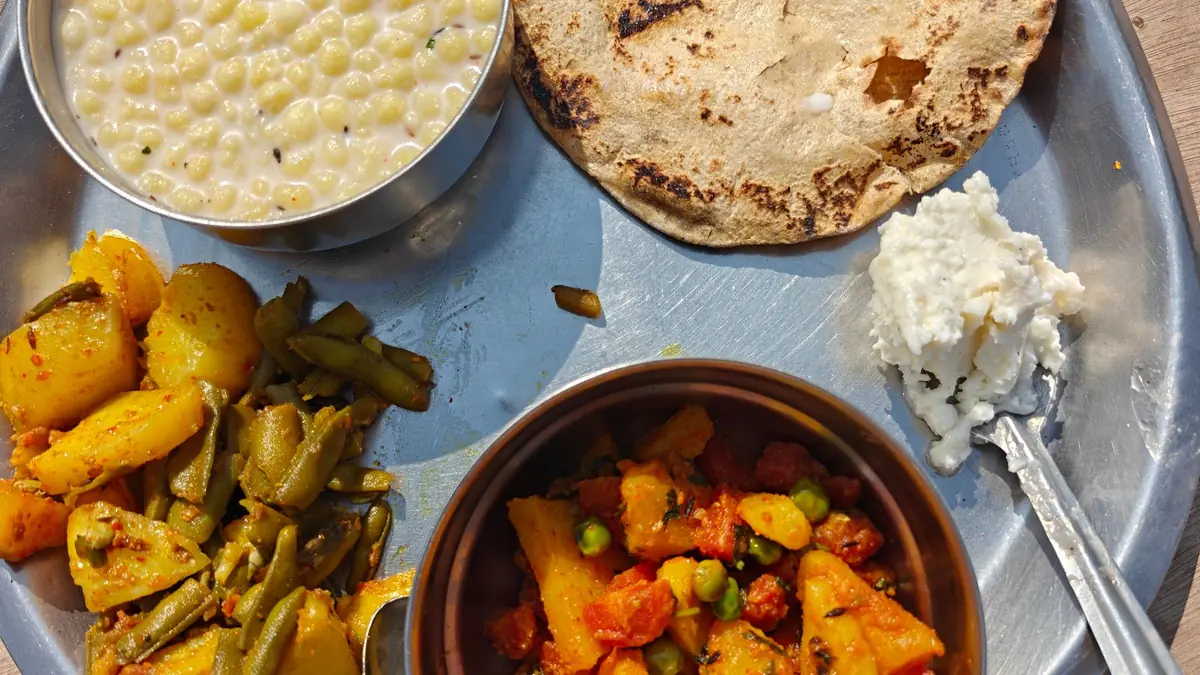
A very common home meal is two or three rotis or a big serving of rice, a small spoon of sabzi and a thin dal. It is comforting and familiar, but it can be heavy on carbohydrates and light on protein and vegetables. The answer is rarely to remove the roti. It is to rebalance what sits next to it.
Step 1: Start with sabzi and salad
Aim for a generous portion of non-starchy vegetables: lauki, bhindi, tori, palak, gobi, beans, capsicum, cabbage, cucumber, tomato and onion salad. Cook them in a small amount of oil. A bowl of sabzi plus a plate of salad adds fibre and volume, which helps meals feel satisfying.
Step 2: Give protein its own space
Protein tends to be the missing piece in vegetarian Indian meals. Make it a regular part of lunch and dinner:
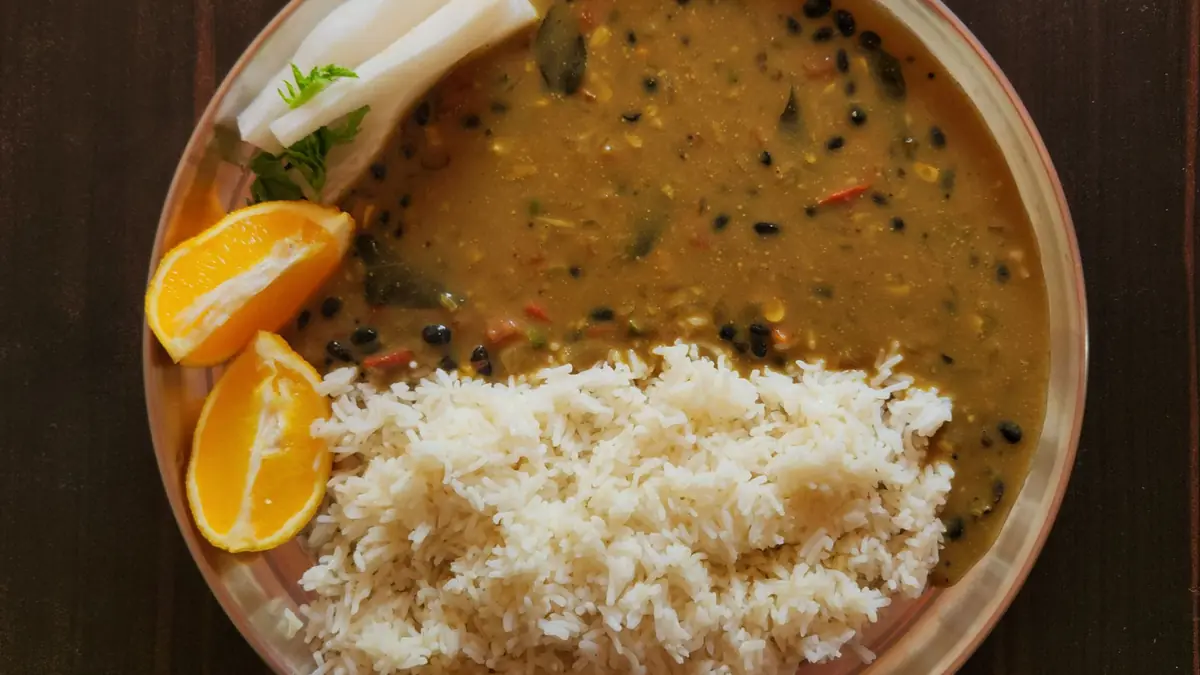
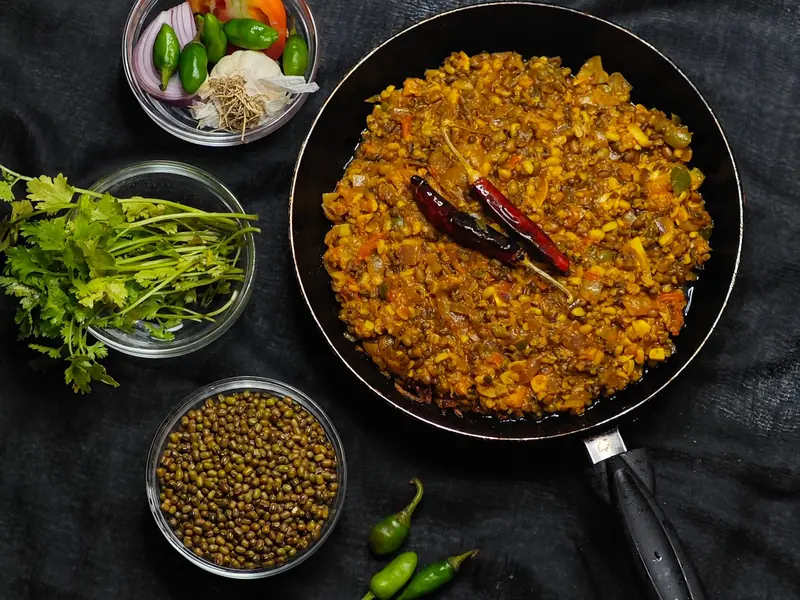
- Vegetarian: a full katori of thick dal (moong, masoor, toor, chana), rajma or chole, paneer, tofu, soya chunks, sprouts, or a bowl of curd.
- Eggetarian / non-veg: egg bhurji or curry, fish curry, or grilled or home-style chicken.
If you are Jain or do not eat certain foods, tell your dietitian so the plan can be built around dals, legumes, dairy and nuts that suit you.
Step 3: Keep the grains, choose and portion them wisely
Roti, rice and millets can all fit. Some practical ideas:
- Choose mixed-grain atta (wheat with a little besan, ragi, jowar or bajra) instead of only refined flour.
- Think in rotis and katoris: for many people, one or two rotis, or a katori of cooked rice, is a starting point. Your own needs depend on your size, activity and doctor’s advice.
- Pair rice with dal and vegetables rather than eating it alone, and enjoy khichdi with plenty of vegetables.
Step 4: Add curd or chaas, and be mindful with sugar
A bowl of plain curd or a glass of salted chaas is a traditional, easy way to add protein and make a meal feel complete. Sweet drinks, packaged juices and sugary chai add up quickly. You do not need to ban chai, but reducing the sugar is a gentle first step.
Festivals, vrat days and eating out
Real life includes Navratri fasts, Diwali sweets, weddings and office tiffins. Rather than skipping meals or “making up” later, plan a balanced meal around the event: eat a regular meal earlier, enjoy a small portion of the sweet you love and avoid arriving very hungry. On vrat days, options like paneer, curd, makhana, nuts and sabudana with vegetables and peanuts can help, depending on your fast and health.
A sample day, for ideas only
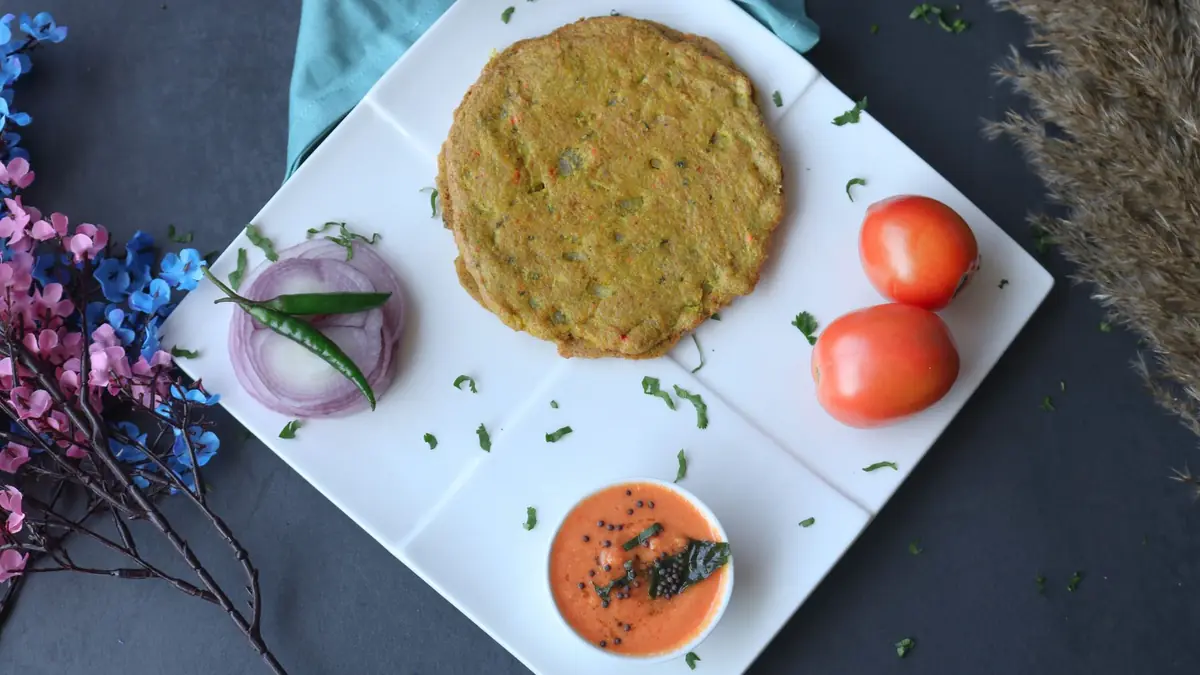
- Breakfast: besan chilla with vegetables and mint chutney
- Lunch: two mixed-grain rotis, a katori of dal, a bowl of sabzi, salad and curd
- Evening: roasted chana or makhana with tea (less sugar)
- Dinner: paneer, tofu or egg bhurji with one roti and salad, or vegetable khichdi with curd
This is a general illustration, not a personal plan. Portions and food choices should be tailored to you, especially if you take medicines or have other conditions.
The takeaway
You do not have to eat differently from your family or give up the foods you love. A balanced thali with more vegetables, a clear place for protein and sensible grain portions is a realistic, sustainable foundation. Small habits repeated daily matter more than a perfect day.
One part of a bigger picture
Food matters, and it is only one part. Sleep, stress, movement and steady follow-up shape how you feel too. That is why guidance that continues beyond a single chart tends to be easier to keep up.
Whether your report says PCOS or PCOD, the same everyday food principles apply. If you would like a plan built around your own thali and routine, our 3-month PCOS and PCOD program pairs a personalised Indian diet plan with regular check-ins from an online dietitian. To experiment first, try the free PCOS Plate Planner or browse Indian food swaps.