On this page
If you have PCOS, you have probably been told to “just lose weight” more than once. It is understandable that many people reach for the fastest option: a 1,000-calorie plan, a juice cleanse, skipping dinner or cutting out entire food groups. Unfortunately, these approaches tend to create more problems than they solve.
PCOS is not only about calories
PCOS involves hormones, how the body responds to insulin, stress and sleep. That is why the same crash diet that someone else tolerates can leave you exhausted, irritable and craving sugar by evening. Food matters, but so does how regularly and how adequately you eat.
What commonly goes wrong with crash diets
- They are hard to keep up. Very restrictive plans rarely fit family meals, office days, festivals or travel, so they end after a few weeks.
- Hunger and rebound eating. Long gaps and skipped meals can lead to intense cravings and overeating later, often on sweets or fried snacks.
- Low energy and mood. Eating far too little can affect energy, concentration and sleep.
- Your cycle may be affected. Eating too little for a long time can disrupt menstrual cycles in many people, which can make irregular periods even more confusing.
- Loss of muscle and nutrients. Without enough protein and variety, you may miss out on what your body needs.
Common “shortcuts” to be careful with
- Detox drinks, juice-only days and “miracle” powders
- Skipping breakfast or dinner to “save calories”
- Cutting out all carbohydrates, including dal, roti and fruit
- Herbal or supplement stacks recommended on social media
Please check with your doctor before taking any supplement or herbal product, particularly if you take medicines or are trying to conceive.
What the evidence-based approach looks like
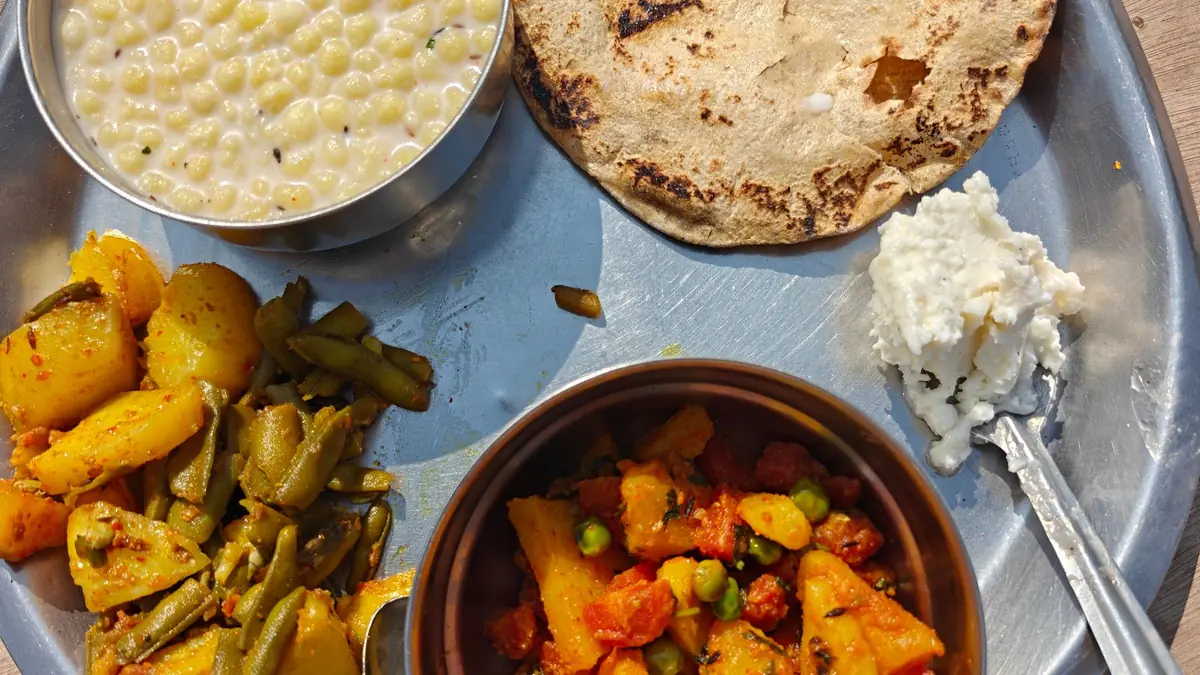
International evidence-based guidance for PCOS puts healthy lifestyle first and does not point to one single “magic” diet. What it supports is a pattern you can sustain. In practice, for most Indian households, that looks like this:
- Eat regularly. Three meals, plus a planned snack if you need it, rather than long gaps.
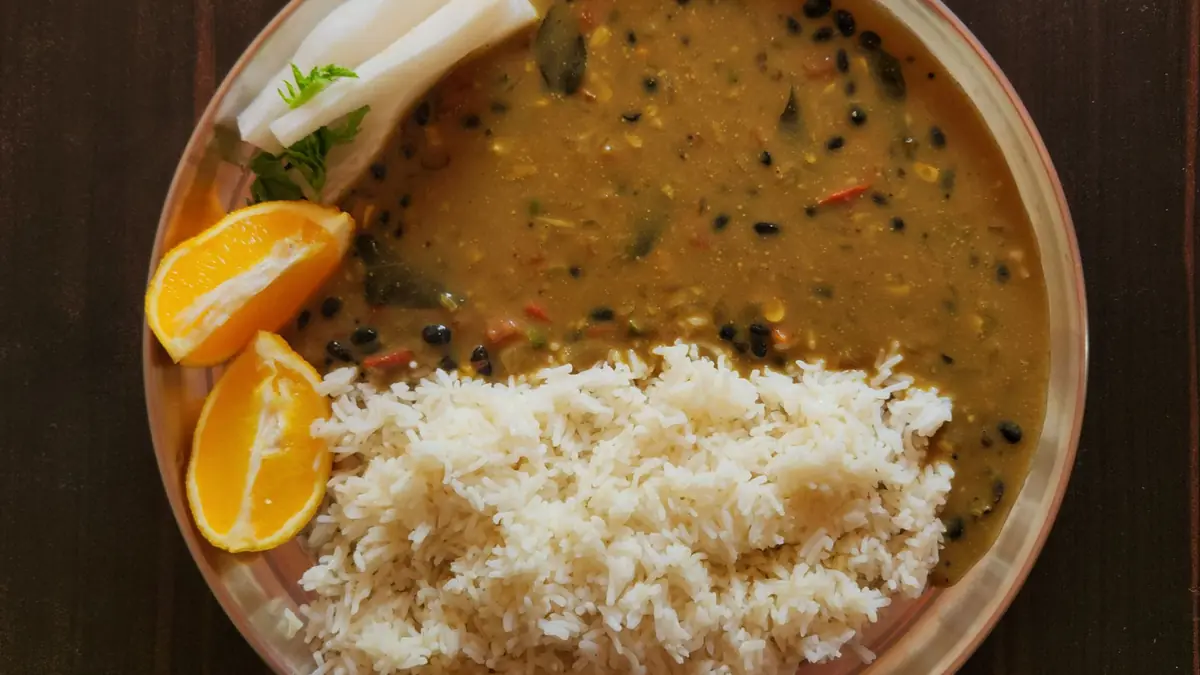
- Add protein at each meal. Dal, curd, paneer, eggs, sprouts, fish or chicken, depending on your preferences.
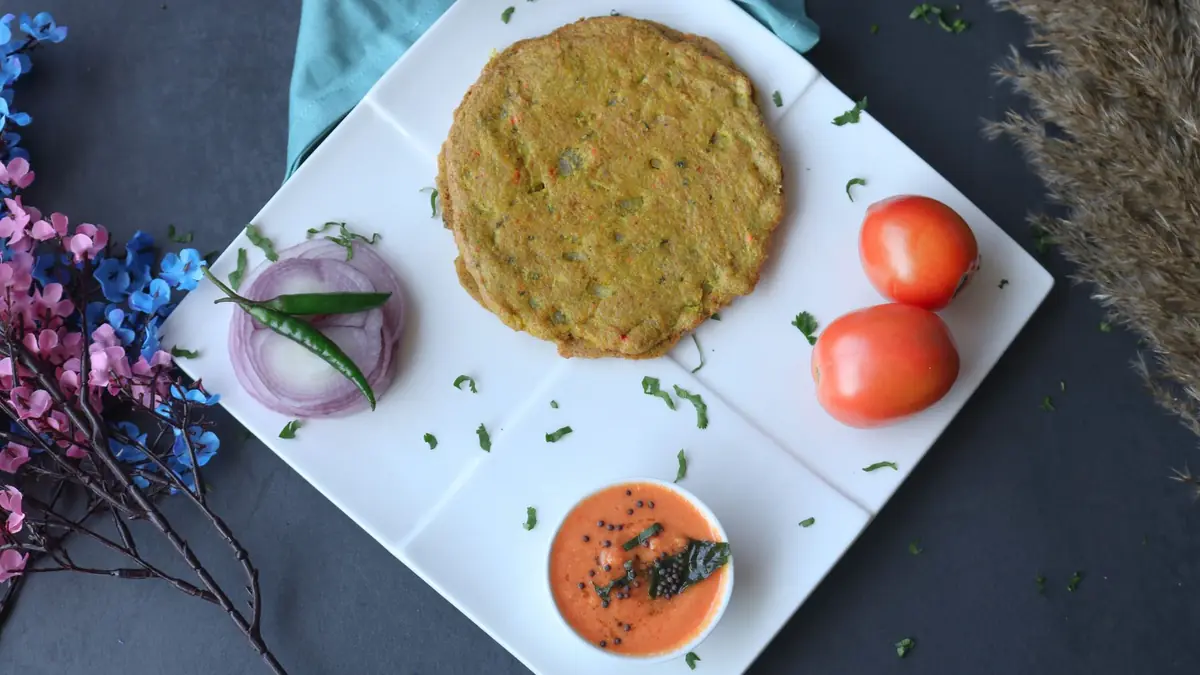
- Choose fibre-rich carbs. Mixed-grain rotis, millets, vegetables, fruit and legumes.
- Protect your sleep. Late nights and poor sleep can make cravings and stress worse.
- Move in a way you enjoy. A walk after meals, dancing, yoga or strength training, as your doctor advises.
- Reduce stress where you can. Even small breaks and routines help.
Measure more than the scale
Weight is only one signal, and it can be misleading. Consider tracking energy through the day, cravings, sleep quality, how you feel after meals, and, together with your doctor, changes in your cycle. Progress with PCOS is often gradual and uneven, and that is normal.

A kinder way to start
Pick one small change this week: a protein-rich breakfast, a proper evening snack, or cutting sugar in your chai by half. When that feels easy, add another. Sustainable change is built in small steps, not in a single drastic week.
If you are underweight, pregnant, have a history of disordered eating, or have a medical condition, please talk to your doctor before making changes to how you eat.
One part of a bigger picture
Food matters, and it is only one part. Sleep, stress, movement and steady follow-up shape how you feel too. That is why guidance that continues beyond a single chart tends to be easier to keep up.
Whether your report says PCOS or PCOD, steady habits tend to last longer than quick fixes. The free PCOS Pattern Finder can show which area to look at first. If you want support that continues beyond one chart, our 3-month PCOS and PCOD program pairs a personalised plan with regular check-ins from an online dietitian.