On this page
Breakfast is where many Indian mornings go wrong, not because of bad intentions, but because of speed. A quick biscuit with chai, a plain paratha or just coffee can leave you hungry by 11 am and reaching for something sweet. For people with PCOS, who often have to think about how the body handles insulin, a breakfast with protein and fibre is a simple habit that may support steadier energy through the morning.
Why protein and fibre at breakfast?
Protein and fibre slow digestion and help you feel full for longer. A breakfast built mostly on refined flour or sugar tends to be digested quickly, which can mean an energy dip and stronger cravings later. Skipping breakfast and then snacking late at night is a pattern many people describe, and a protein-first breakfast is a gentle way to break it.
Easy Indian options
| Idea | Why it works | Make it easier |
|---|---|---|
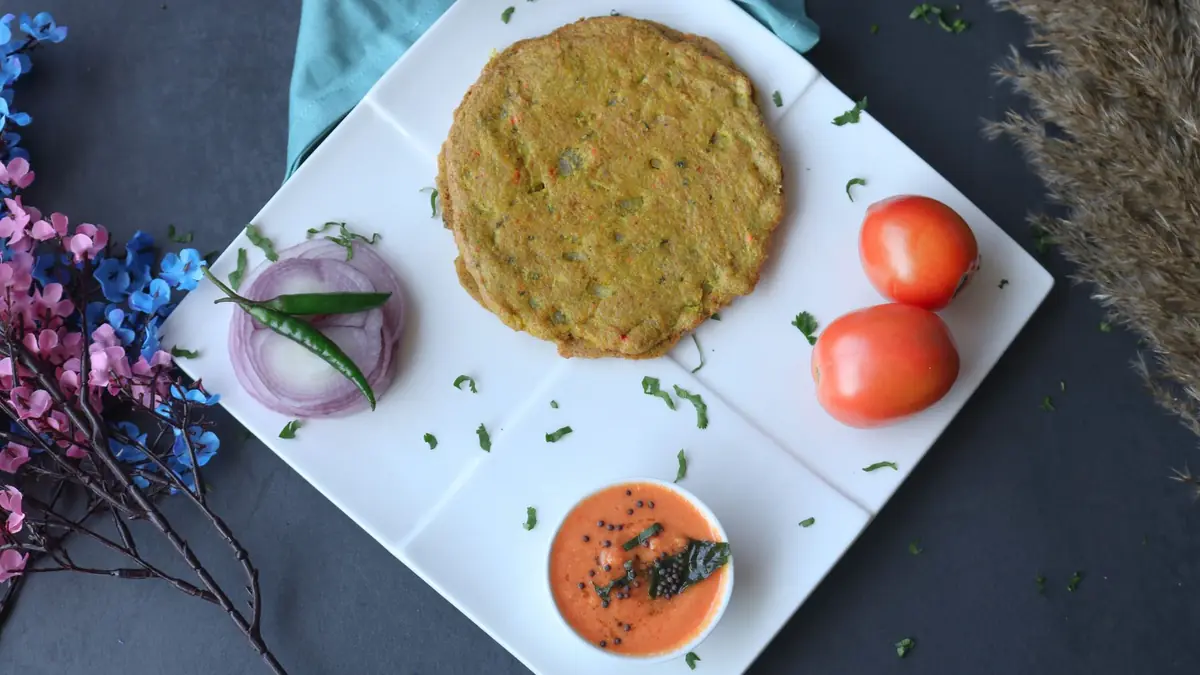
| Besan chilla with vegetables | Chickpea flour is rich in protein and fibre. | Mix the batter the night before; add grated carrot, onion, spinach. |
| Moong dal chilla | Soaked, ground moong dal is a light, protein-rich base. | Soak dal overnight; serve with mint chutney or curd. |
| Paneer or tofu bhurji + 1 roti | A solid protein serving with vegetables. | Cook in minutes with onion, tomato and capsicum. |
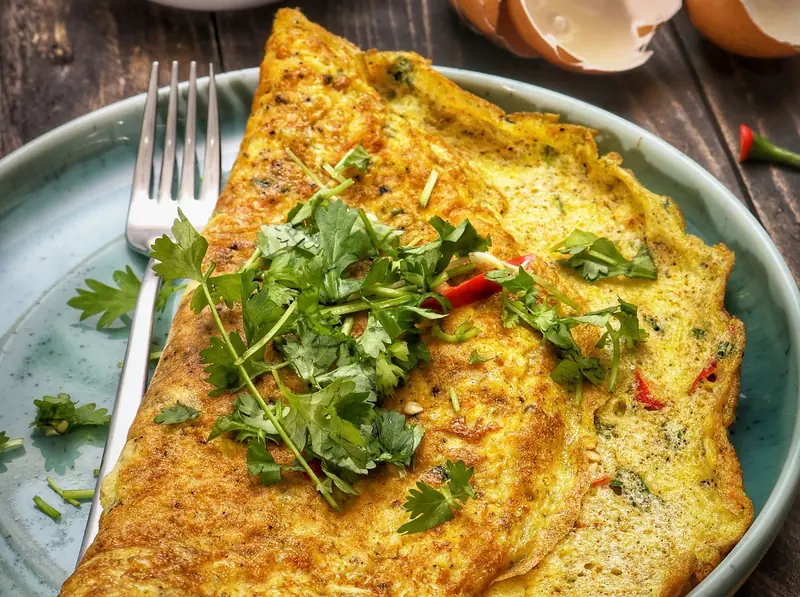
| Egg bhurji or boiled eggs (if you eat eggs) | A simple, complete protein. | Boil a few eggs in advance for grab-and-go mornings. |
| Sprouts chaat or moong salad | Fibre and plant protein with a fresh crunch. | Sprout in a muslin cloth; add lemon, cucumber, tomato. |
| Vegetable poha with peanuts + curd | Peanuts, vegetables and curd add protein and fibre to a familiar dish. | Go easy on oil and add plenty of vegetables. |
| Idli or dosa with sambar and a protein side | Sambar brings dal; add chutney or a bowl of curd. | Pick a vegetable-rich sambar and keep portions of idli reasonable. |
| Dalia or vegetable upma with dal or curd | Broken wheat has more fibre than refined rava. | Add peas, beans, carrots; have it with a glass of chaas. |
Tips for busy mornings
- Prep the night before. Soak dal, mix batter, chop vegetables, boil eggs.
- Pack it for the office. Chilla rolls, boiled eggs, a small box of sprouts or a stuffed roti travel well.
- Add, don’t just remove. Instead of thinking “I must avoid paratha”, ask “what protein can I add next to it?” Curd, paneer filling or an egg alongside can change the meal.
- Watch the hidden sugar. Flavoured oats, packaged cereals and sweetened drinks can add more sugar than expected. Reduce the sugar in chai gradually.
- Eat when you’re hungry, but don’t leave it too late. A regular time helps routine, but your day may differ.
For different food preferences
Vegetarian and Jain eaters can lean on dals, besan, curd, paneer, nuts and seeds (Jain eaters may avoid some vegetables, so adapt accordingly). Eggetarian and non-veg eaters have the additional options of eggs and, in some households, leftover chicken or fish preparations. Dietitians can fine-tune this around your health, allergies and budget.
A note on portions and personalisation
How much you need depends on your age, activity, body, medicines and other conditions, so the ideas above are not a personal prescription. If you have diabetes, thyroid or kidney conditions, or are pregnant or planning to be, check with your doctor before changing your diet.
One part of a bigger picture
Food matters, and it is only one part. Sleep, stress, movement and steady follow-up shape how you feel too. That is why guidance that continues beyond a single chart tends to be easier to keep up.
Whether your report says PCOS or PCOD, a steadier breakfast is a good place to begin. The free Calorie and Protein Guide shows a general protein range in everyday Indian foods. For a plan made around your own mornings, our 3-month PCOS and PCOD program adds regular check-ins with an online dietitian.